-01.png)
A swimming pool is one of the most enjoyable features a home can have. It is also one of the most complex systems on a property. Pumps, plumbing, electrical systems, structural surfaces, and safety barriers all work together to keep the pool safe and functional.
.webp)
Mar 12, 2026
A swimming pool is one of the most enjoyable features a home can have. It is also one of the most complex systems on a property. Pumps, plumbing, electrical systems, structural surfaces, and safety barriers all work together to keep the pool safe and functional.
Because of this complexity, professional pool inspections have become increasingly common for homeowners, buyers, and real estate professionals.
In 2026, a professional pool inspection typically takes 1 to 2 hours and evaluates both the visible structure and the operational components of the pool system.
Below is a breakdown of what inspectors actually examine.
The physical structure of the pool is one of the first areas an inspector evaluates.
Inspectors typically check:
Structural cracks may be cosmetic, but some indicate movement or underlying damage that could lead to leaks or major repairs.
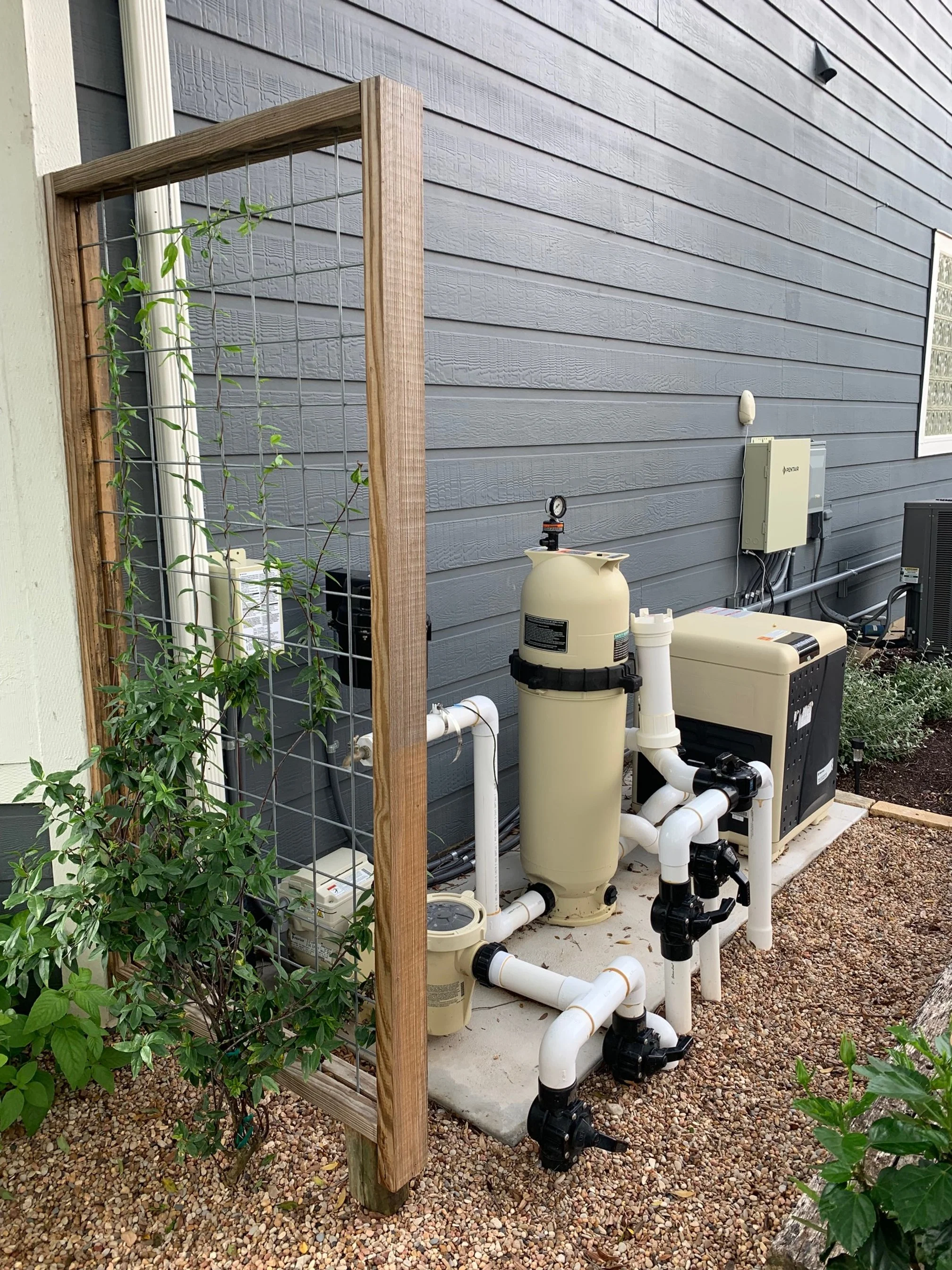
The circulation system keeps water clean and safe for swimming.
During an inspection, professionals examine:
Failing circulation equipment often leads to cloudy water, algae growth, and higher operating costs.
Pool electrical systems are critical for safety. Improper bonding or grounding can create serious hazards.
Inspectors will evaluate:
Electrical bonding deficiencies are among the most serious problems inspectors encounter.
Modern pool safety standards place a heavy focus on preventing unsupervised access.
Inspectors typically check:
Proper barriers help prevent accidents and ensure compliance with local building codes.
The pool deck and surrounding structures are just as important as the pool itself.
Inspectors look for:
Missing or damaged drain covers are especially dangerous because they can cause entrapment hazards.
A pool inspection helps identify:
Pools represent a significant investment, and inspections ensure that they remain safe, efficient, and compliant with local safety standards.
.png)
© 2025 Carolina Pool Inspectors All Rights Reserved.